Museum of Jesus’ Baptism

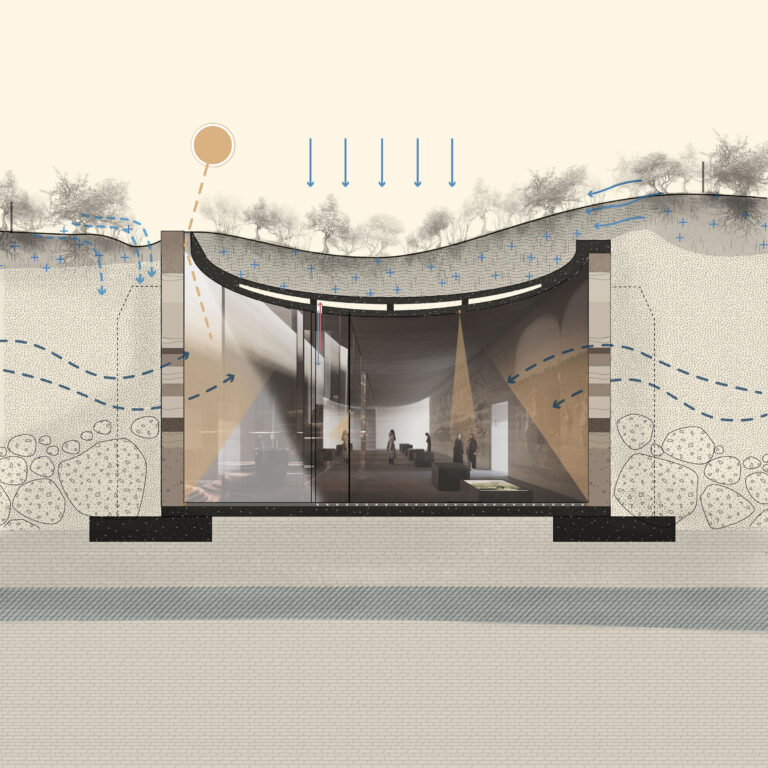
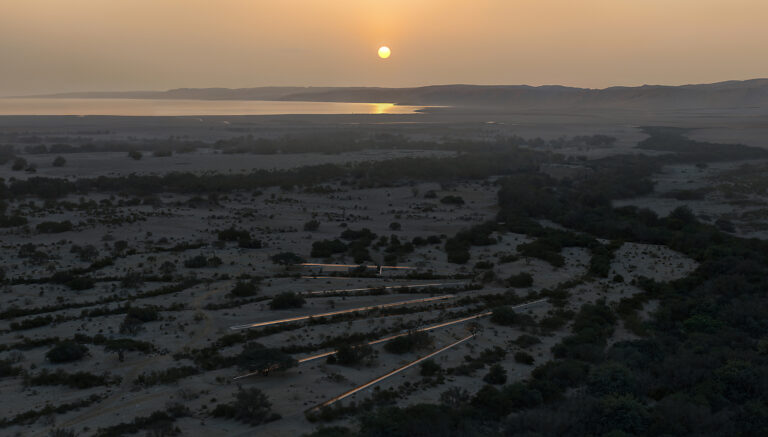
Every drop of water that falls on the future site of the Museum of Jesus’ Baptism flows to Al-Maghtas on the banks of the Jordan River – the UNESCO World Heritage Site of Jesus’ Baptism.

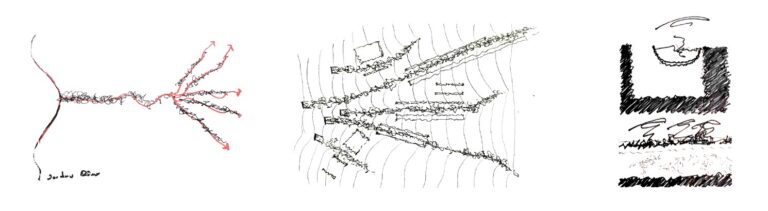
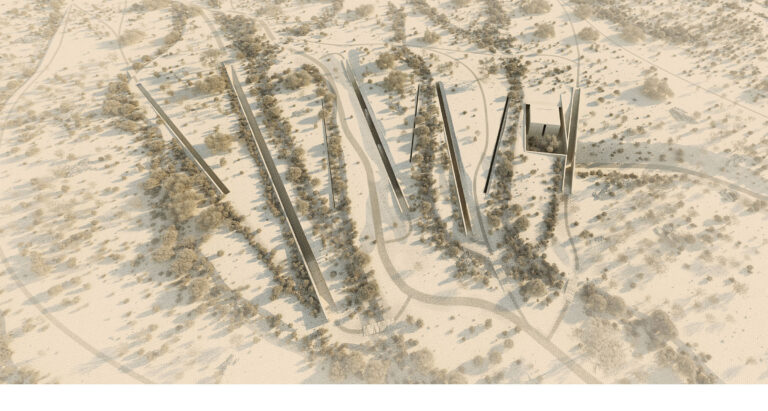
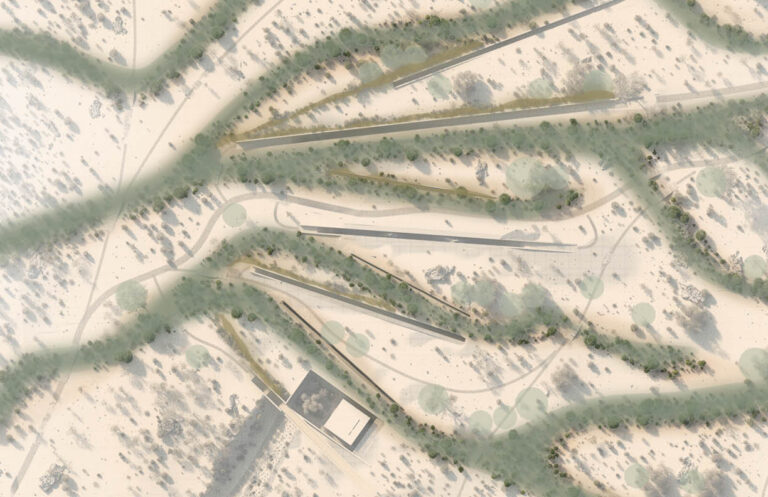
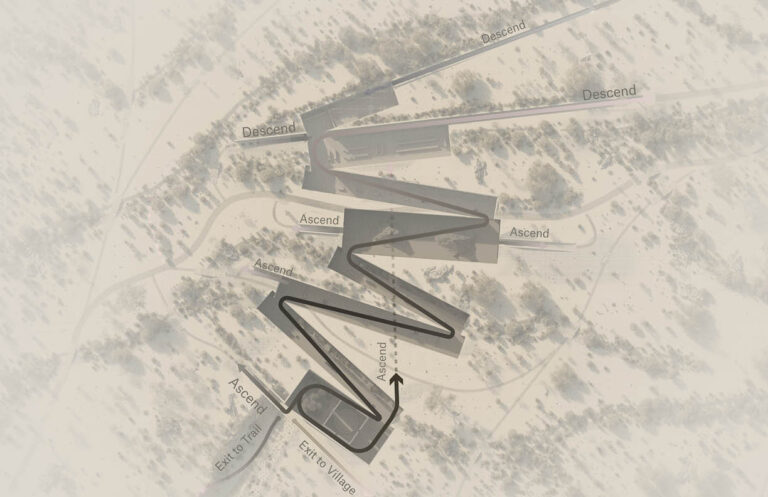
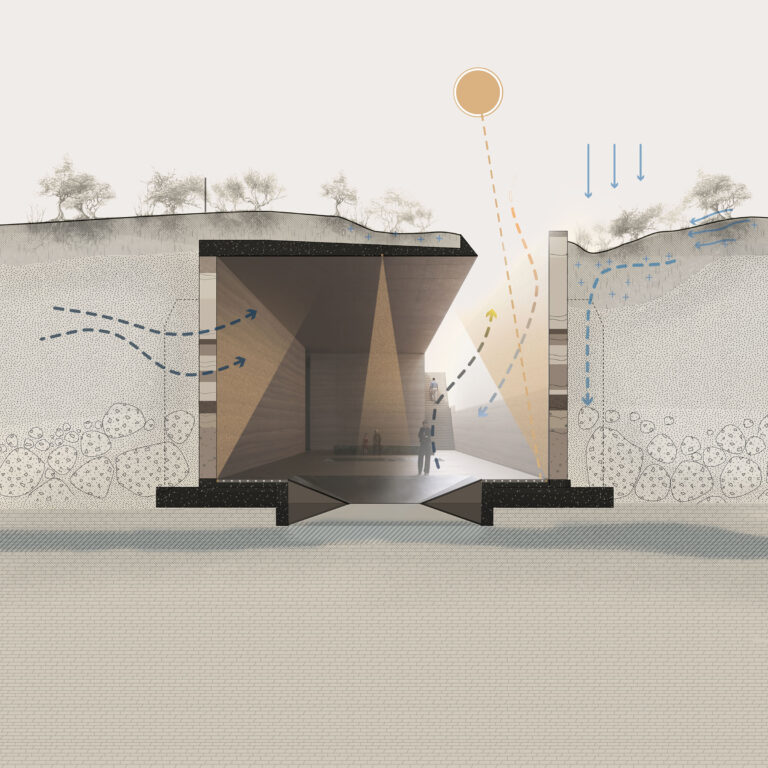
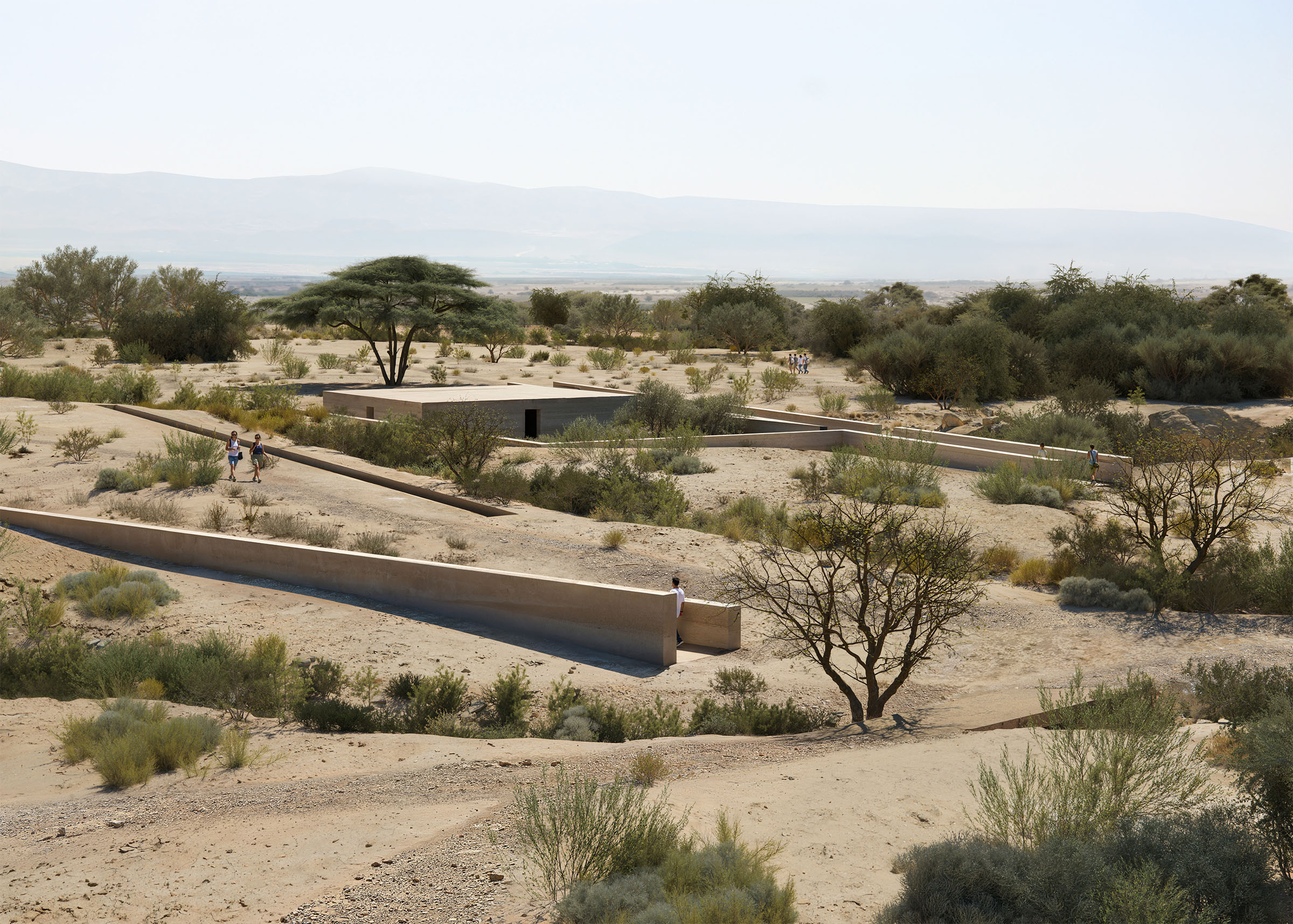
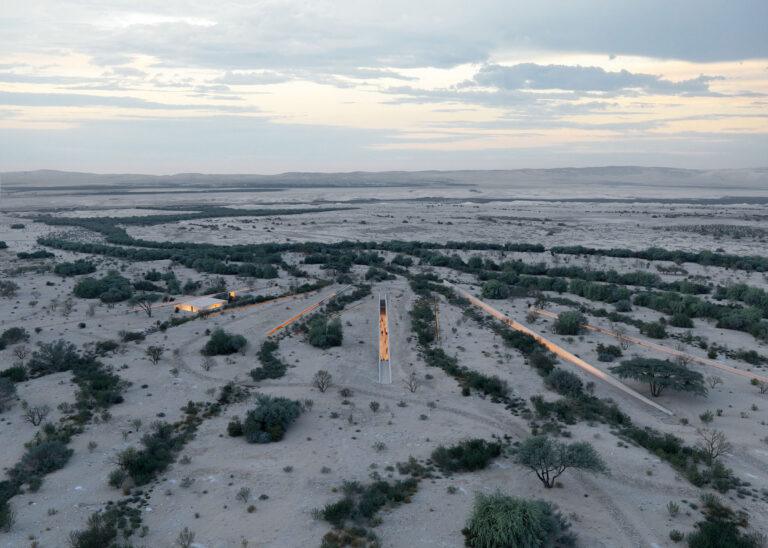
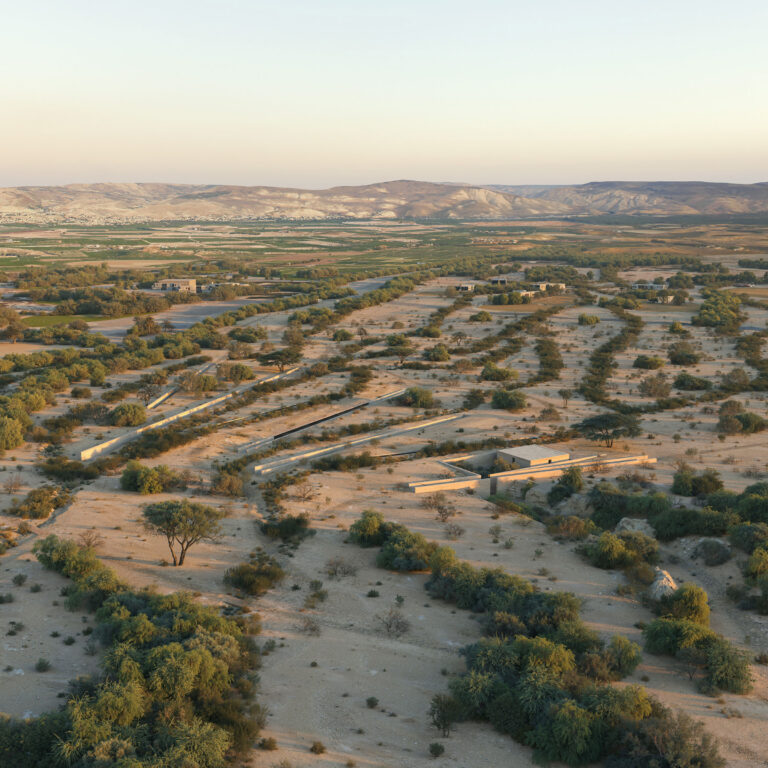
Our proposal honors this sacred story by restoring the ecological network of thin wadis that carry water to the river, healing the fractured watershed. The below-grade museum enhances this fragile system, allowing water to flow naturally across the site.

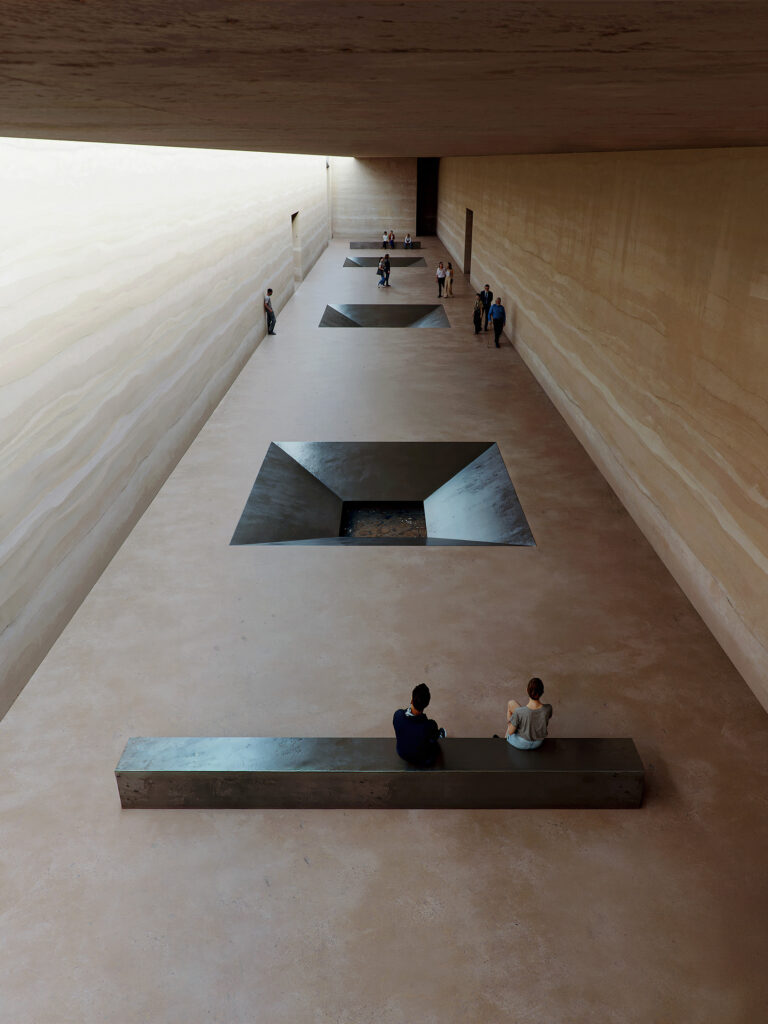
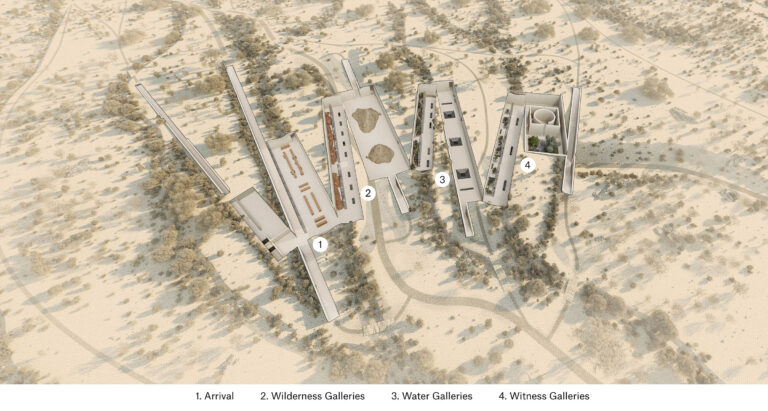
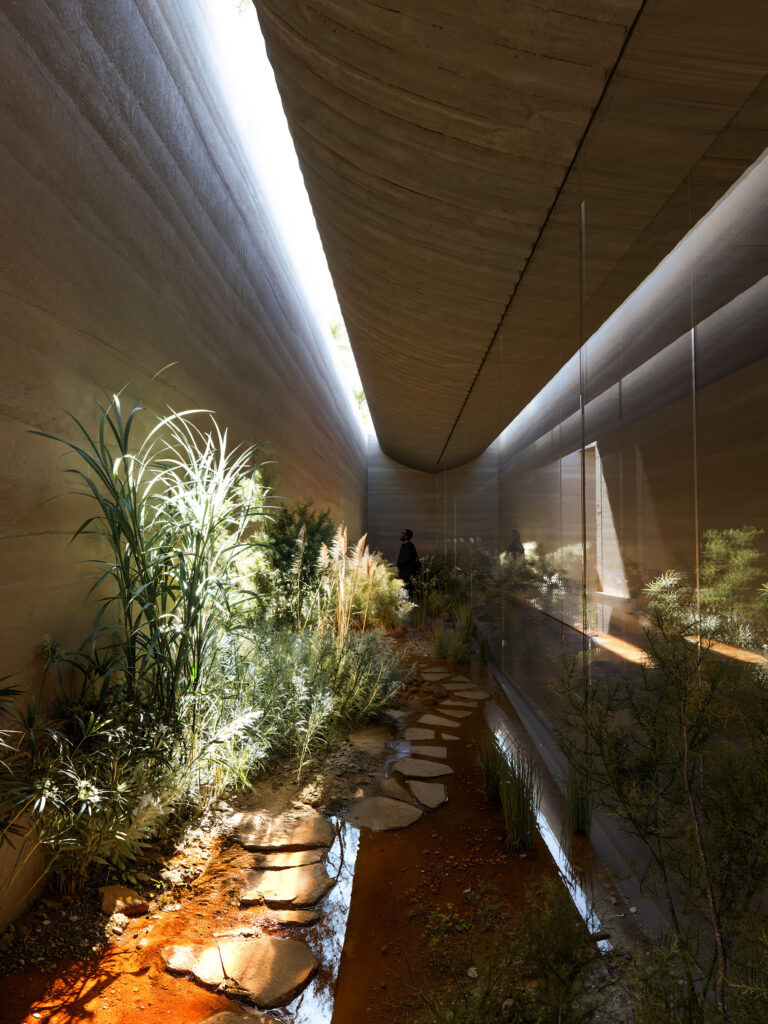
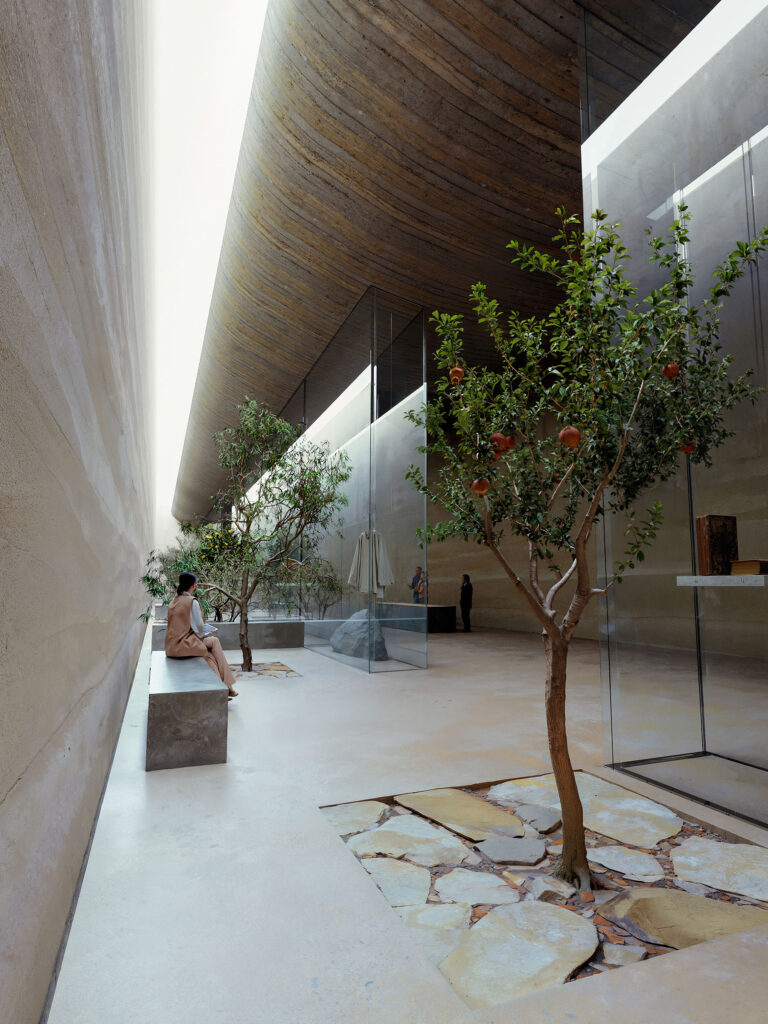
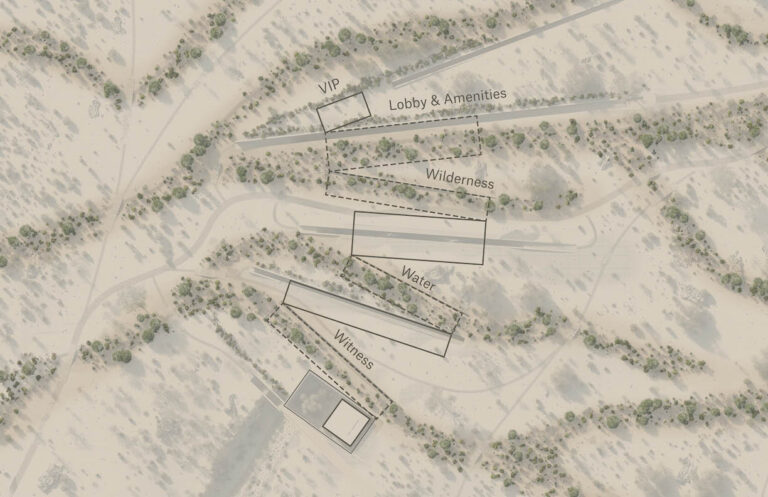
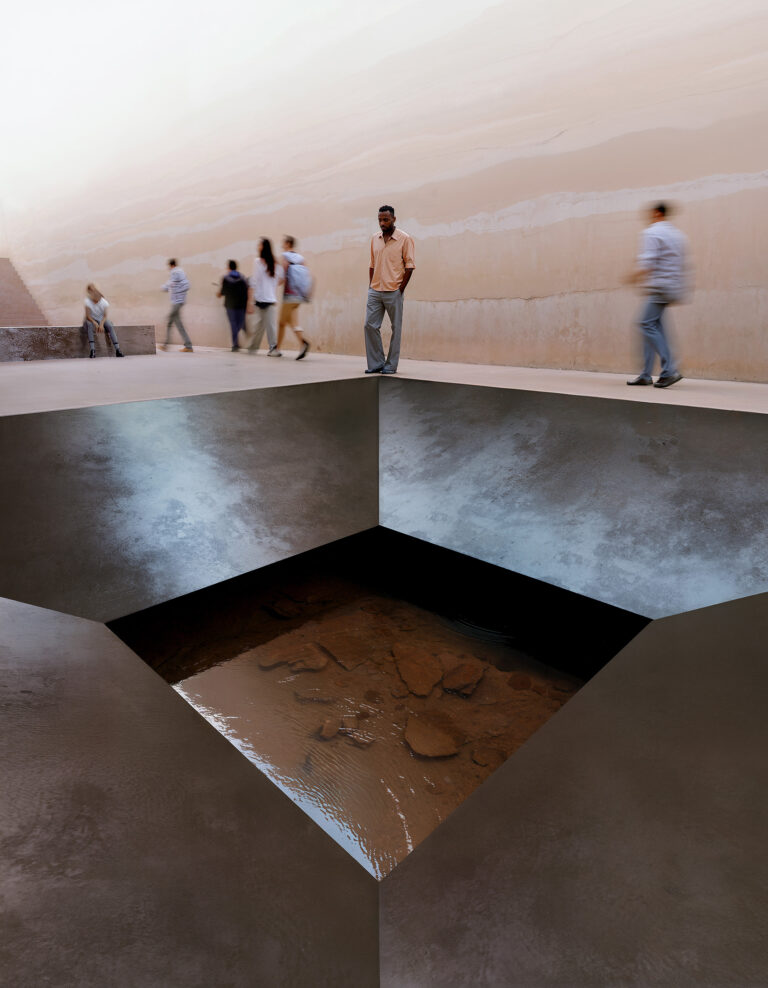
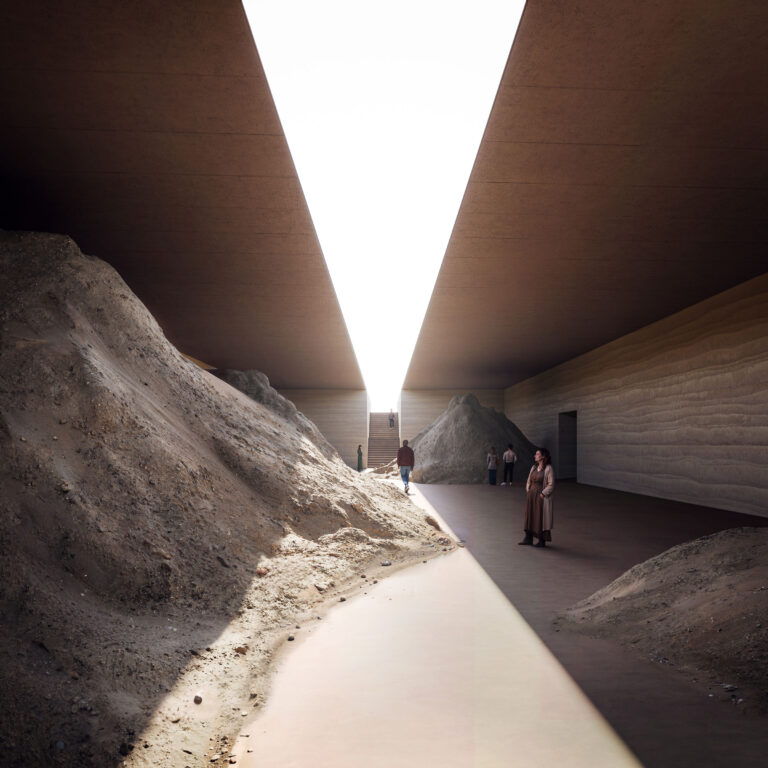
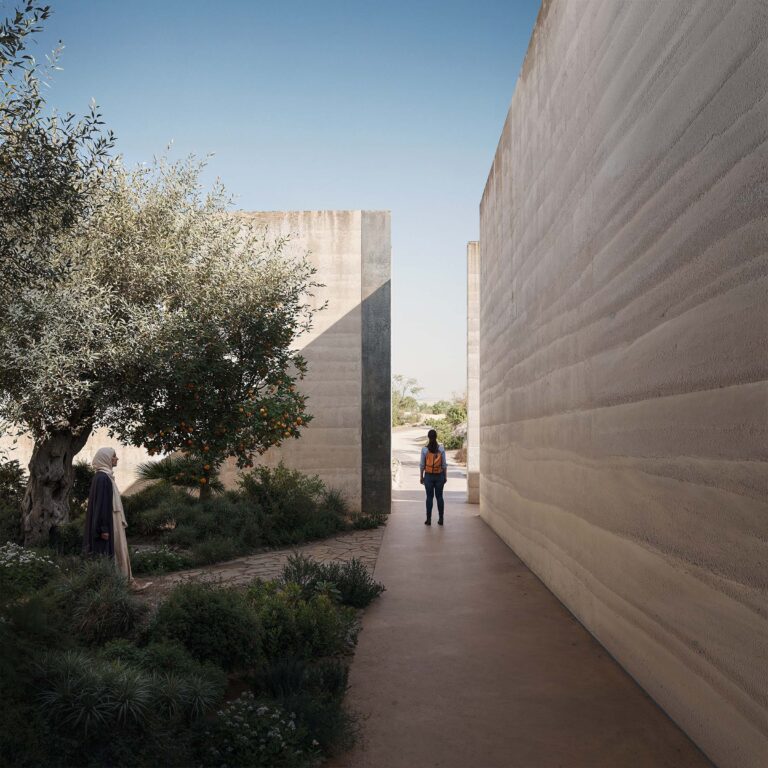
Above ground, native plantings restore and shape paths in the landscape, guiding visitors through a wilderness on their contemplative journey. Underground galleries interpret Wilderness, Water, and Witness, each with a courtyard framing the sky and immersive spaces beneath restored wadis.

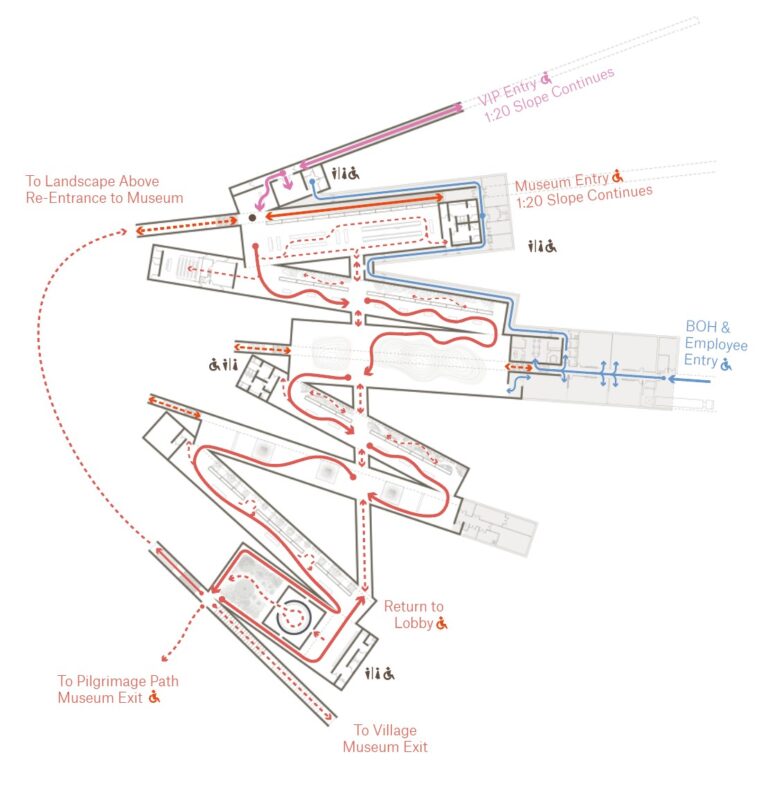
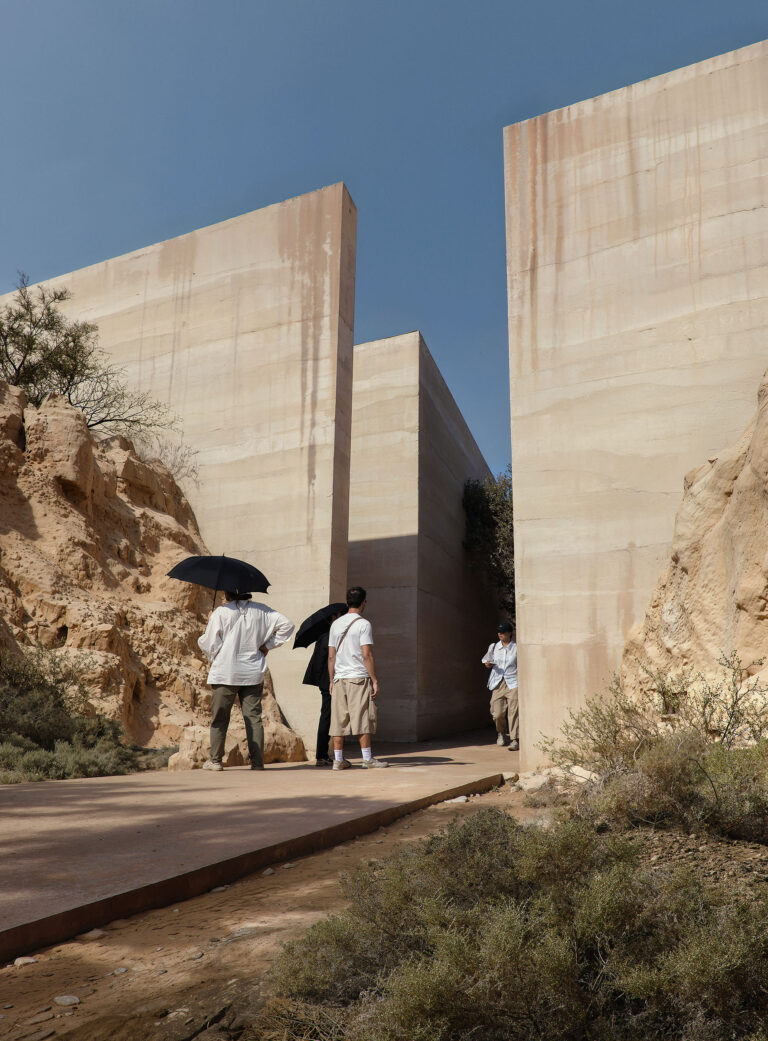
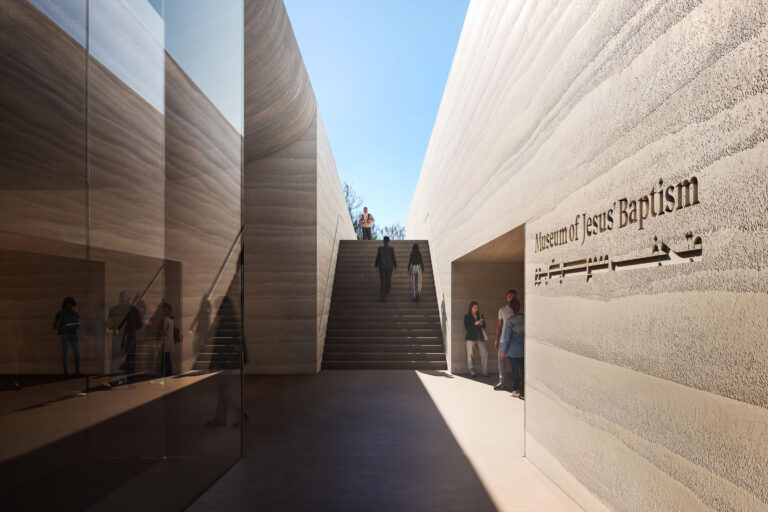
The museum is a peaceful node along a pilgrimage route, fostering stillness through humble architecture built from locally sourced rammed earth. Visitors descend into the Earth, then slowly ascend toward the sacred site, mirroring the Baptismal act.

See our full proposal here.


Location
Al-Maghtas, Jordan

Status
Competition Entry, 2025

Size
80,000 SF Building Area

Sustainability
Operational Carbon Reduction, Passive Conditioning
Embodied Carbon Reduction, Rammed Earth Structure
Ecological Restoration, Native Species

Project Team
Trey Trahan, Robbie Eleazer, Oana Bunea-Velea, Travis Lombardi, David Sweere, Stephen Breaux, Brandon Lawry, Sandra Baggerman

Collaborators
Doxiadis+, Buro Happold, Ralph Appelbaum Associates, Tillotson Design Associates, Lord Cultural Resources, Studio Loutsis, CBA, Bitar Consultants, Threshold Acoustics

Visualizations
Hayes Davidson, Mir

Tags
Spiritual , Cultural , Civic , Atmosphere , Ecology , Sustainability , Rootedness , Responsibility , Materiality
Al-Maghtas and The Jordan River Valley

The Jordan River Valley holds importance across several dimensions: religious, ecological, and agricultural. The religious significance is anchored particularly at Al-Maghtas (Bethany Beyond the Jordan), identified in John 1:28 : “These things were done in Bethany beyond the Jordan, where John was baptizing.” Denoting the John the Baptist’s activity in the Jordan River Valley. Archaeological investigations in the 1990s uncovered ancient churches, baptismal pools, water channels, and pilgrims’ facilities dating from the Roman and Byzantine periods. These findings, along with historical accounts by early Christian writers, helped scholars and religious authorities identify Al-Maghtas as the historical baptism site, leading to its recognition as a UNESCO World Heritage Site.

Read more about Rootedness
Pilgrimage

The theological significance of the Baptism of Jesus is enshrined in scripture: “And when Jesus was baptized, immediately he went up from the water, and behold, the heavens were opened to him, and he saw the Spirit of God descending like a dove and coming to rest on him; and behold, a voice from heaven said, ‘This is my beloved Son, with whom I am well pleased'” (Matthew 3:16–17). Since at least the 4th century AD, this moment has drawn pilgrims to the site, establishing a continuous and deeply rooted tradition. The physical act of traversing the rugged landscape to reach the water’s edge transforms the visit into a spiritual mirroring of the biblical journey toward cleansing and divine affirmation.

Planned to open in 2030, to coincide with the 2,000-year anniversary of the baptism, the Museum of Jesus’ Baptism offers visitors a space for reflection, learning and spiritual pilgrimage tied to the historic site
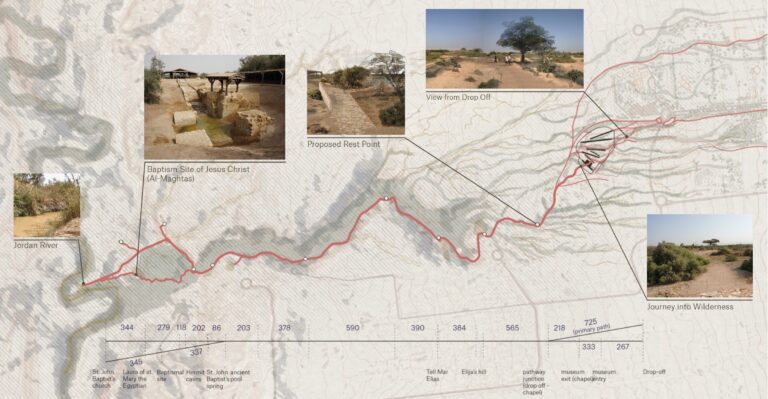
The museum is a peaceful node along a pilgrimage route that thousands of pilgrims traverse to see biblical sites such as the Elijah’s hill, hermit caves, and ultimately the Baptism site of Jesus Christ.
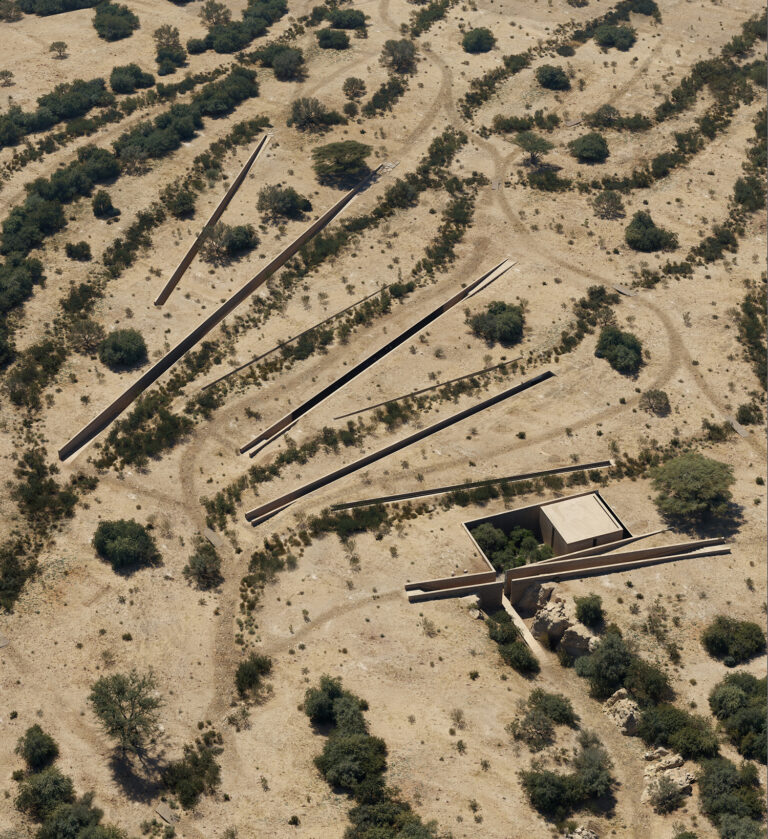
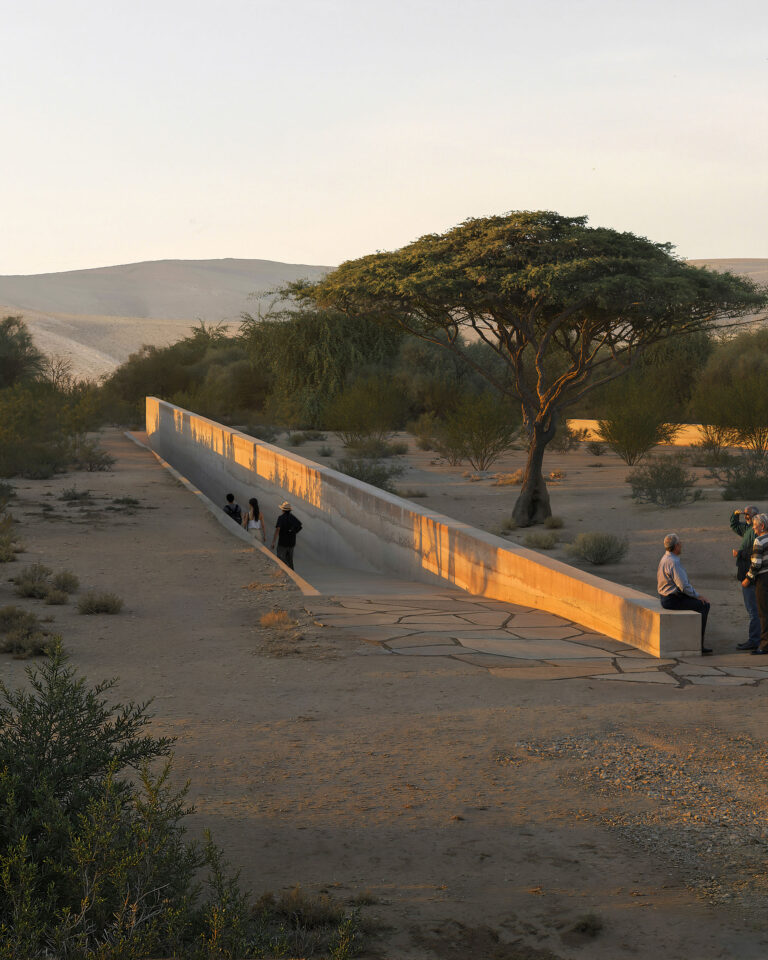
The architecture is elemental in its simplicity, preparing visitors for their ultimate encounter with wilderness.
“We propose the museum, and ideally the development zone embraced, in their spatial logic, the system of thin wadis that moves water and organizes topography and vegetation.”
-Thomas Doxiadis, ASLA, Founder of Doxiadis+
Ecology of the Jordan River Valley

Al-Maghtas is set within a fragile desert–riverine ecosystem. Its ecology is shaped by the contrast between the arid Jordan Valley and the life-supporting waters of the river and nearby springs. Riparian vegetation—such as tamarisk, reeds, and willow—clusters along the water’s edge, providing habitat for birds, amphibians, and small mammals that depend on the scarce freshwater. Beyond the river corridor, the landscape shifts to dry scrub and salt-tolerant plants adapted to intense heat and limited rainfall. Human visitation and regional water use make conservation efforts essential to preserving this rare, biodiverse oasis in an otherwise harsh environment.

Read more about Ecology
Flora of the Jordan River Valley

The flora of the Jordan River Valley is shaped by its unique blend of species, creating a landscape rich with reeds, bushes, and wildflowers that flourish along the riverbanks. This diverse plant life not only sustained ancient communities but also appears frequently in biblical narratives, where vegetation such as the acacia, cedars, sycamores, and palms serve as symbols of strength, prosperity, and spiritual renewal. In the Bible, the fertile areas around the Jordan often represent places of transition and divine encounter, and the region’s flora provides a visual link to the ancient events.

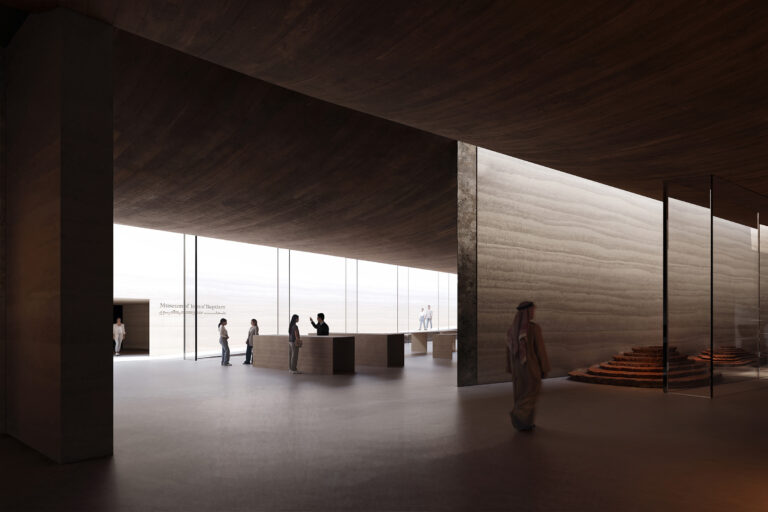
Visitors descend to a level between surface water and ground water, and architecture becomes part of the sacred journey.

Guided by the natural run of the wadis, alternating bars create a relationship between immersive and experiential story telling
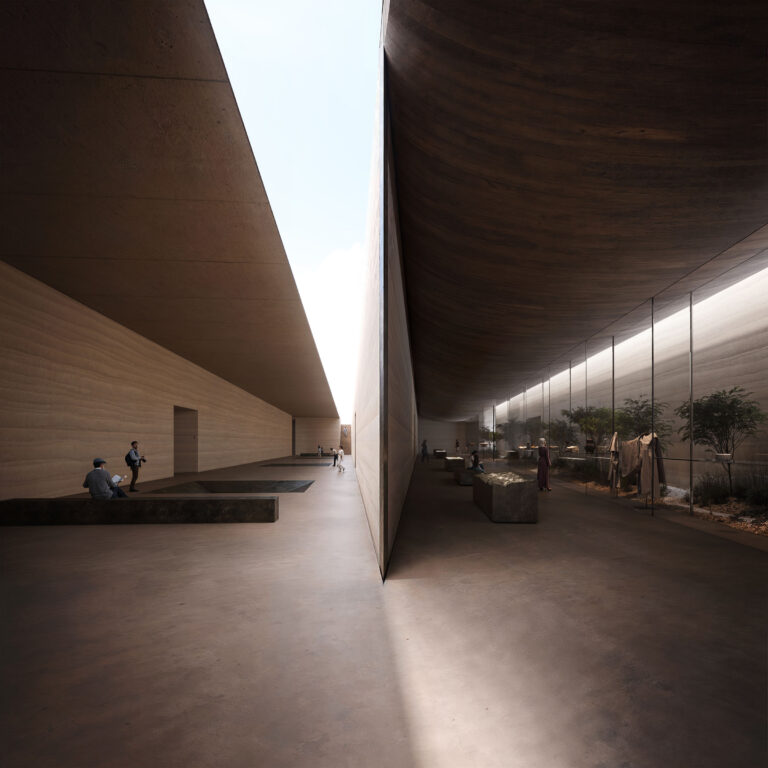
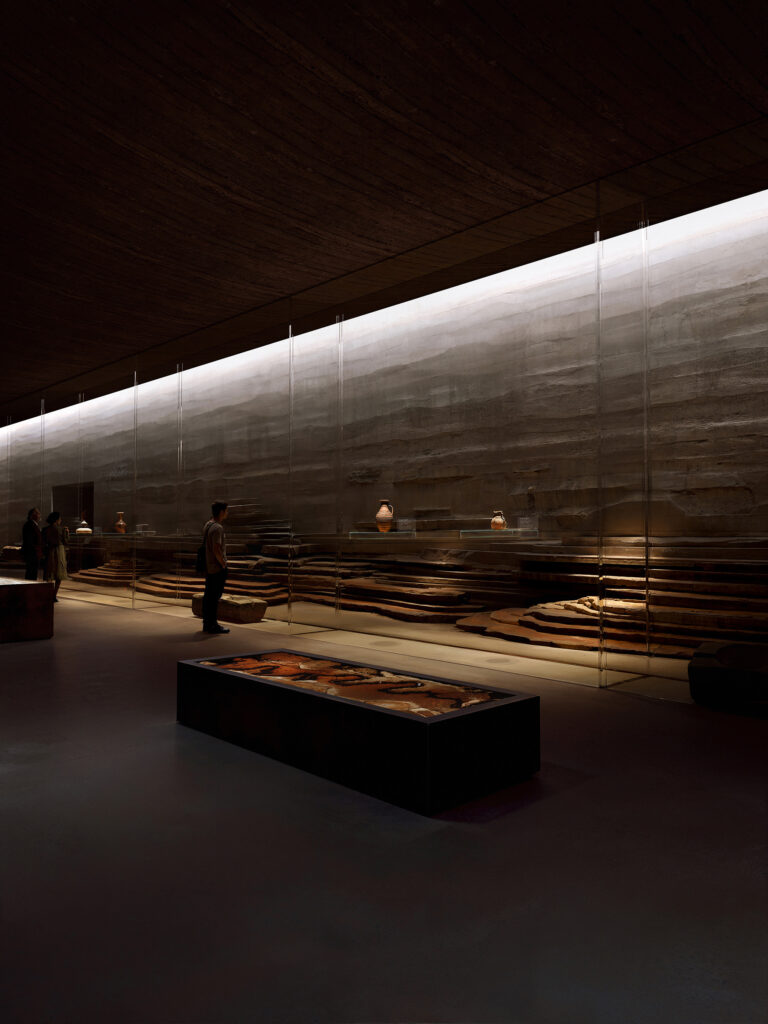
The subterranean design enables strategic reuse of excavated sand and clay for rammed earth walls, compacted earthen floors, reducing cost and carbon impact. Local material use creates a finish rooted in the site’s geology, blending the museum with its landscape.

As a threshold to wilderness, the museum marks the beginning of descent toward the Baptism Site. Its sequence follows the events of the Baptism of Jesus, moving from preparation to spiritual renewal.
next project

The Chapel of St. Ignatius and the Gayle and Tom Benson Jesuit Center

BROWSER UPGRADE RECOMMENDED

Our website has detected that you are using a browser that will prevent you from accessing certain features. An upgrade is recommended to experience the full features of the Trahan Architects website. Use the links below to upgrade your exisiting browser.